Why Regular Dental Checkups Matter (Even When Nothing Hurts) | Rome Dental
It’s a common misconception that caring for your little one’s baby teeth isn’t as important because they’re going to eventually lose them anyway. I love to educate parents (and children) about the importance of proper oral health, even for the youngest patients! This starts with understanding baby bottle tooth decay… and how to avoid it.

Why Regular Dental Checkups Matter — Even When Nothing Hurts
"My teeth feel fine. Why would I go to the dentist?"
It's a fair question. Most of us only think about the dentist when something hurts. But here's the thing about dental problems: by the time you feel pain, they've usually been developing for months or even years.
Regular checkups aren't about finding problems to lecture you about. They're about catching small issues before they become expensive, painful, and complicated.
The $150 Problem That Becomes $3,000
A cavity doesn't hurt at first. It starts as a tiny spot of decay that you can't see and can't feel. At this stage, it's a $150 filling — quick, easy, done in one visit.
Leave that same cavity alone for a year, and it grows. Now it's reached the nerve of your tooth. Suddenly you're looking at a root canal ($800-$1,500) plus a crown ($800-$1,500). That's over $1,600 minimum for what would have been a $150 fix.
Wait even longer, and the tooth might not be saveable at all. Now you're choosing between a gap in your smile or a dental implant ($3,000-$5,000).
This is the math that makes prevention so valuable. Regular checkups let us catch cavities when they're tiny — before they become root canals and crowns.
Gum Disease: The Silent Problem
Gum disease is called "silent" because it rarely hurts until it's advanced. You might notice some bleeding when you brush, but most people dismiss it as brushing too hard.
Here's what's actually happening: bacteria are slowly destroying the bone that holds your teeth in place. By the time gum disease causes pain or loose teeth, significant bone loss has already occurred. And bone doesn't grow back on its own.
Early gum disease (gingivitis) is completely reversible with professional cleaning and improved home care. Advanced gum disease (periodontitis) requires more extensive treatment and may result in tooth loss.
Regular checkups catch gum disease in its early, reversible stages — before it threatens your teeth.d. We would love to have you visit us before the situation gets to that point.
Oral Cancer Screening: Five Minutes That Could Save Your Life
Every dental checkup includes an oral cancer screening. It takes about five minutes and involves examining your tongue, cheeks, throat, and neck for anything unusual.
Oral cancer is highly treatable when caught early. The five-year survival rate for early-stage oral cancer is around 84%. For late-stage oral cancer, it drops to around 39%.
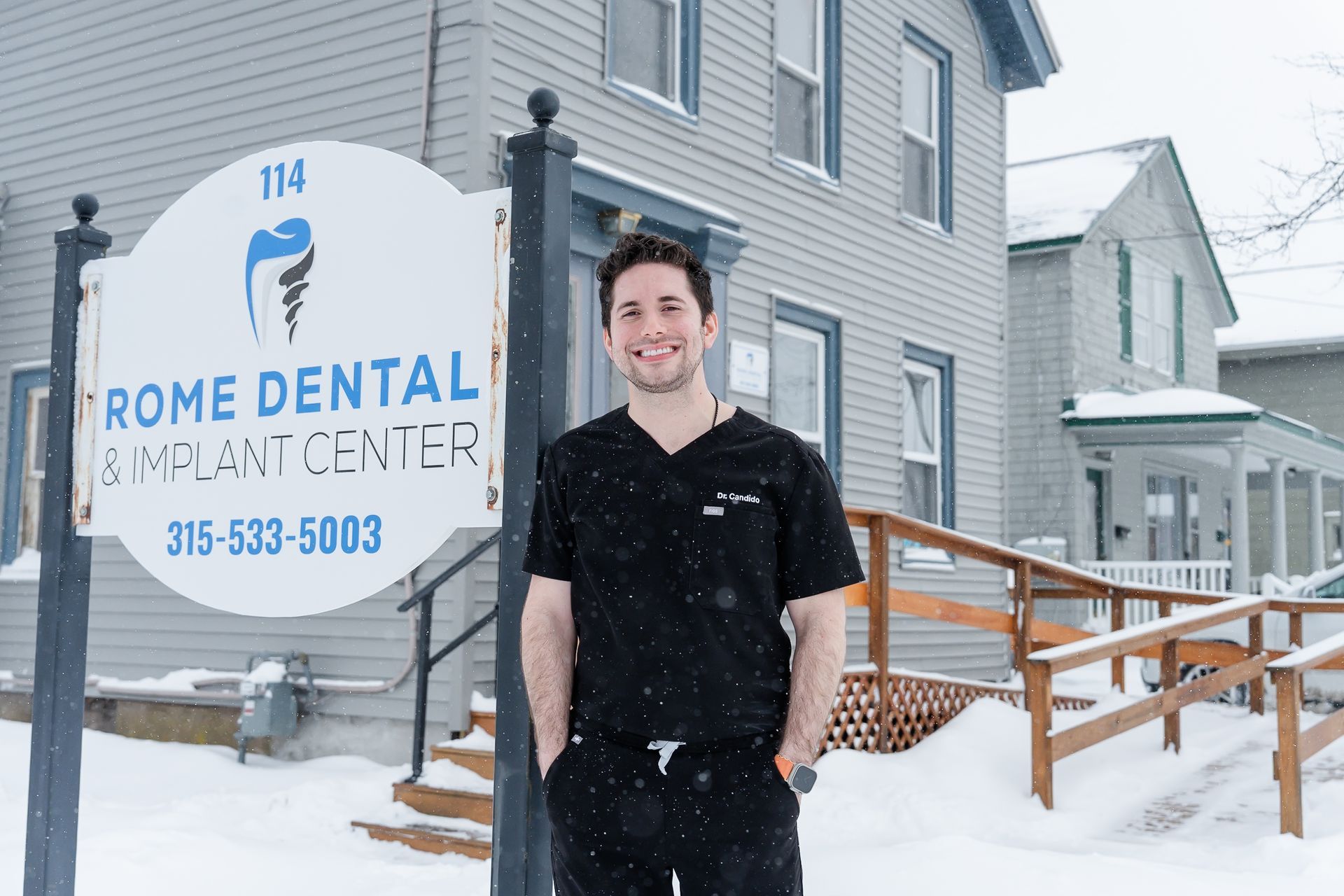
You might never notice the early signs of oral cancer on your own — a small sore that doesn't heal, a white or red patch, a lump you can't explain. But Dr. Candido knows what to look for.
What Actually Happens at a Checkup?
Some people avoid checkups because they're not sure what to expect. Here's the reality: it's pretty straightforward.
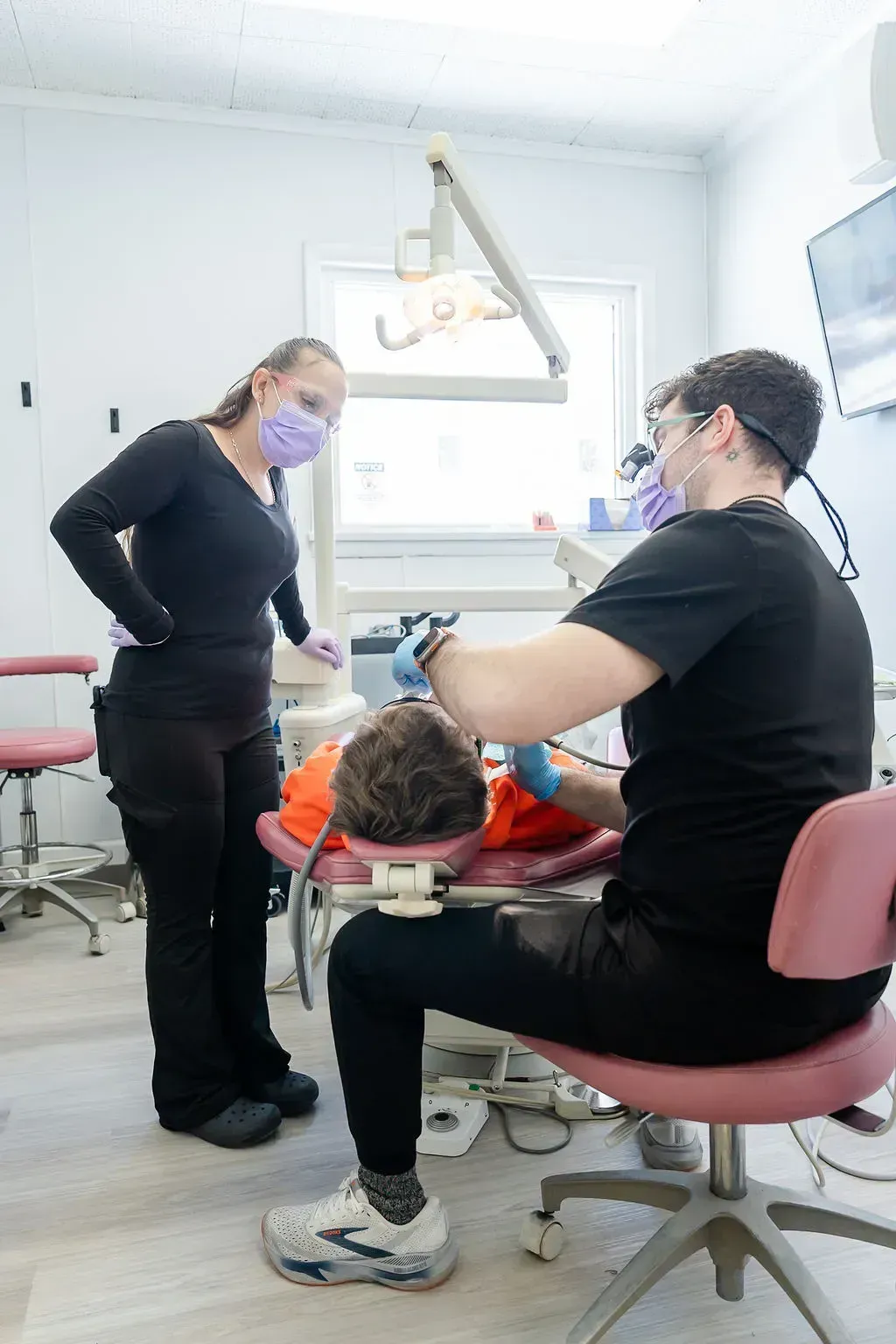
The exam takes about 60-90 minutes for new patients, shorter for follow-ups. We'll take X-rays if needed (digital X-rays use significantly less radiation than traditional ones). Dr. Candido will examine your teeth, gums, jaw, and mouth. Your hygienist will clean your teeth, removing plaque and tartar that brushing misses.
Throughout, we'll explain what we're seeing. If there's something that needs attention, we'll discuss your options — no pressure, no guilt, just information so you can make good decisions about your health.
"But I Haven't Been in Years..."
If it's been a while since your last visit, you might be nervous about what we'll find — or worried about getting a lecture.
Dr. Candido doesn't do lectures. He remembers what it felt like to be scolded by his childhood dentist, and he's built a practice where that doesn't happen.
Whatever condition your teeth are in, we'll meet you where you are. Our job is to help you move forward, not make you feel bad about the past.
The worst thing you can do is let embarrassment keep you away longer. The second-best time to come in (after years ago) is today.
How Often Should You Actually Go?
For most people, every six months works well. This gives us enough time to catch developing problems early while keeping your teeth professionally cleaned.
Some people need more frequent visits: If you have active gum disease, we might recommend cleanings every 3-4 months. If you're prone to cavities, more frequent exams can catch decay sooner. If you have certain health conditions (like diabetes), more regular monitoring helps protect your oral health.
We'll recommend a schedule based on your individual situation — not a one-size-fits-all approach.
Making Checkups Affordable
Cost shouldn't keep you from preventive care. At Rome Dental, we've designed our membership plan specifically to make regular checkups accessible.
For $325 a year (less than $30 a month), the membership includes: Two comprehensive exams per year, two professional cleanings per year, two fluoride treatments per year, all necessary X-rays, emergency exams when you need them, and 15% off all other procedures.
There's no annual maximum, no deductibles, no waiting periods, and no insurance paperwork. Just straightforward preventive care.
Frequently Asked Questions
Do dental checkups hurt?
For most people, checkups are painless. You may feel some pressure during the cleaning, especially if it's been a while. If you have sensitive teeth, let us know — we can adjust our approach.
What if I have dental anxiety?
You're not alone. We see anxious patients regularly, and we've built a practice around making people feel comfortable. We slow down, explain everything, and never rush. Just tell us how you're feeling — we'll work with you.
Are X-rays really necessary every time?
We don't take X-rays "every time" as a rule. We take them when they're clinically necessary — to diagnose problems we can't see with our eyes alone. Our digital X-rays use significantly less radiation than traditional film.
I brush and floss every day. Do I still need professional cleanings?
Yes. Even with excellent home care, tartar (hardened plaque) builds up in areas your toothbrush can't reach. Once plaque hardens into tartar, only professional tools can remove it.
Take the First Step
Regular checkups are the foundation of good dental health. They're how we catch problems early, keep your teeth clean, and help you avoid expensive emergency treatments.
At Rome Dental, we make checkups easy. We're open seven days a week, we don't lecture, and we're committed to honest, pressure-free care.
Ready to schedule? Call (315) 533-5003 or visit us at 114 W Thomas St, Rome, NY. Whether it's been six months or six years, we're here for you.
Recent Posts